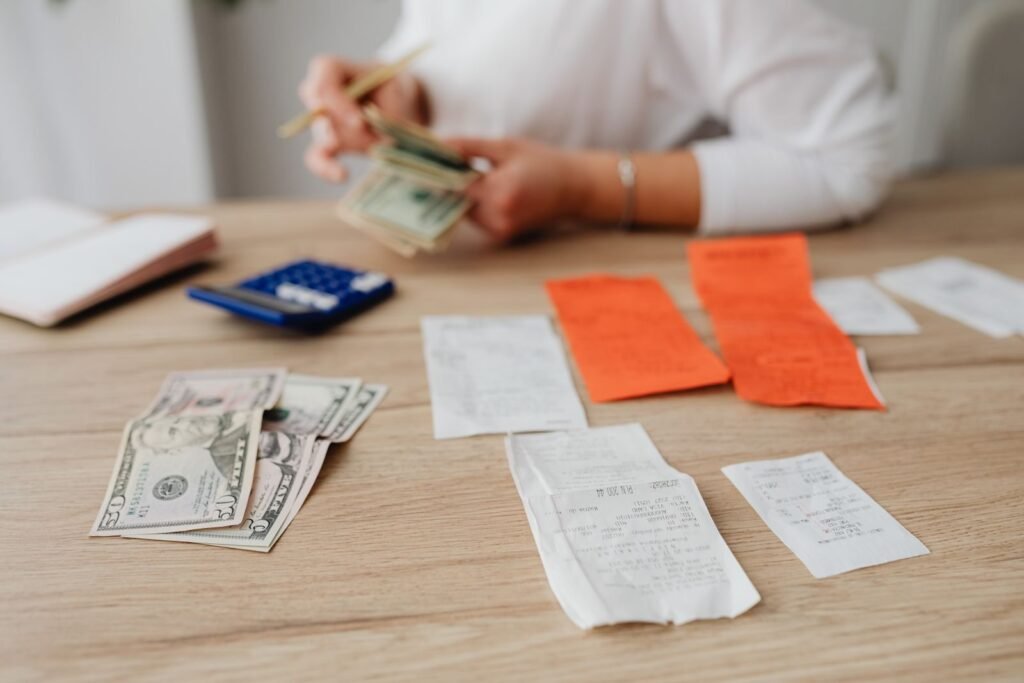
Subscription spending trackers help us see recurring payments as a set of commitments rather than a series of unrelated notifications. A small charge can be easy to overlook when it arrives at a different time from the services we check regularly. A useful tracker puts the service, the amount, and the next decision in one place.
This is a recordkeeping method, not a promise that everyone should cancel the same things. A service may be valuable, shared by several people, or required for work. The purpose is to make the arrangement visible enough to review deliberately and avoid relying on memory.
Start with records you already have
Review your own payment statements and receipts through the normal secure route. List recurring services you recognise and mark unfamiliar entries for investigation with the relevant provider. Do not assume that an unfamiliar merchant description proves either fraud or a harmless subscription; establish what the transaction represents.
Include payments made through app stores, a household member’s account, or a business arrangement where you are authorised to review them. Keep the scope clear. A household tracker should not require someone to disclose unrelated private transactions or share access to an entire account.
Give each service one complete record
Record enough information to identify the arrangement and make the next decision. A service name alone may not distinguish a personal plan from a family plan or an annual renewal from a monthly one. Use an ordinary document or spreadsheet if that is easier to maintain than a dedicated application.
- Service and plan name, with the account owner.
- Expected amount, currency, and payment frequency.
- Next renewal or trial-ending date.
- Payment source identified without storing full payment credentials.
- Location of the current terms and the normal cancellation route.
Write the source and the date you checked it. This helps explain why the tracker differs from a later charge after a price change or a plan adjustment. A record should support a question, not create false certainty about a future bill.
Distinguish the billing date from the decision date
A reminder on the day a charge appears may arrive too late for the action you intended. Examine the provider’s actual renewal and cancellation terms and decide when you need to review the service. Avoid assuming that every provider uses the same notice period or cancellation process.
Set a reminder early enough to read the terms, consult other users of the plan, and complete an appropriate action. The interval is a practical choice based on the arrangement. A reminder should include the next step, such as checking usage or reviewing a renewal offer, rather than simply repeating the service name.
Evaluate use without inventing a universal rule
Consider what the service contributes to the household or the work it supports. Ask who uses it, which feature matters, and whether another existing arrangement already provides the same function. A low price does not automatically make a service worthwhile, while infrequent use does not automatically make it wasteful.
For a general method of observing spending, the Consumer Financial Protection Bureau’s spending-tracker explanation offers useful context. Apply the recordkeeping idea to your own circumstances rather than treating it as individual financial advice.
Keep evidence of changes
If you alter or cancel a service, save the relevant confirmation through the provider’s normal process. Record the effective date and what should happen to access. Cancelling payment, ending a subscription, and deleting an account may be separate actions with different consequences.
Check a later statement to see whether the expected change occurred. If it did not, use the provider’s support process and retain the correspondence. Do not remove a service from the tracker merely because you started a cancellation request; mark it as awaiting confirmation until the status is clear.
- Note the action requested and when it was submitted.
- Keep the confirmation or support reference in a suitable location.
- Record any final charge described by the provider.
- Check the outcome without storing account passwords in the tracker.
Protect the record and keep it current
A tracker can reveal household routines, services, and account relationships. Share it only with people who need the information, and leave out unnecessary sensitive details. If several people maintain it, agree who owns updates so one person’s change does not silently contradict another person’s entry.
Review a few entries when a statement arrives or when a plan changes. An elaborate annual audit is less useful than a manageable routine that catches ordinary changes. Archive ended services separately if keeping a record helps you understand past charges.
A Practical Review Checklist
- Identify each recurring payment through a statement or receipt.
- Record the service and plan rather than a vague merchant label.
- Keep the account owner visible without storing their private credentials.
- Check the actual renewal terms instead of assuming a standard deadline.
- Create a decision reminder that explains the next action.
- Discuss a shared service with the people who use it.
- Save confirmation when a plan is changed or cancelled.
Subscription spending trackers work when they remain a clear account of current arrangements and upcoming decisions. Start with the records you can verify, give each service an owner, and keep evidence of changes. The aim is a more informed choice, not a checklist that judges every household by the same spending pattern.
